|
|
The keel was lain for this page in late
June of 2007 after we received an email from our friend, William
Heritage, then owner of the Wilbo ketch Leeway. The
Leeway design was a collaborative effort of Hugh Angelman and Dave Lee,
and it was built by Dave Lee at Wilbo to be his own personal boat –
the name perhaps being what is called a double entendre. Bill said:
"Have
been in contact with David Lee Jr. and he has been kind enough to send
me pictures of Leeway being built and several at anchor and under way.
I am in the process of scanning them and would be most happy to share
them with anyone that is interested. This should be a great opportunity
for someone (writer) to get first hand information about WILBO. David
has told me that Leeway had always had canvas decks and that the lead
keel was made from scrap defective toy soldiers from a factory in the
area."
We've acted on Bill's suggestion and
taken the opportunity to begin a WILBO page, in hopes
that it will develop into a comprehensive pictorial and written history
of the famous boatyard where Sea Witch and so many other fine boats were built. Our thanks
go to Bill Heritage and Dave Lee, Jr., for the photographs and
information used to launch this page.
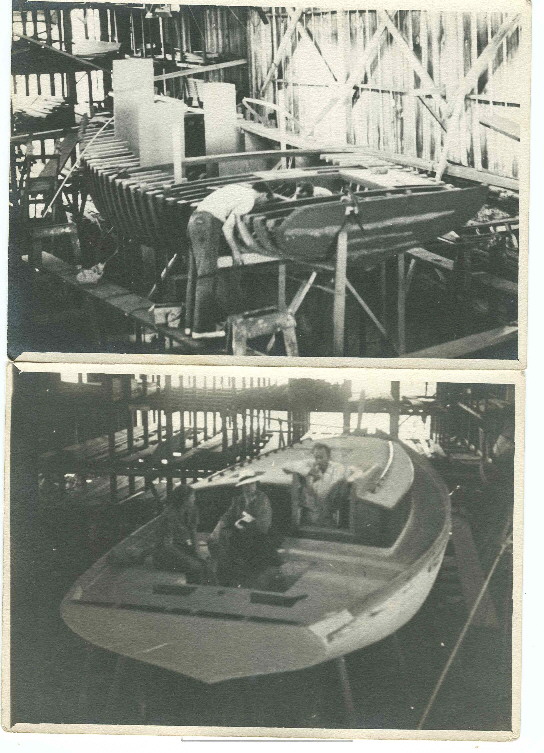
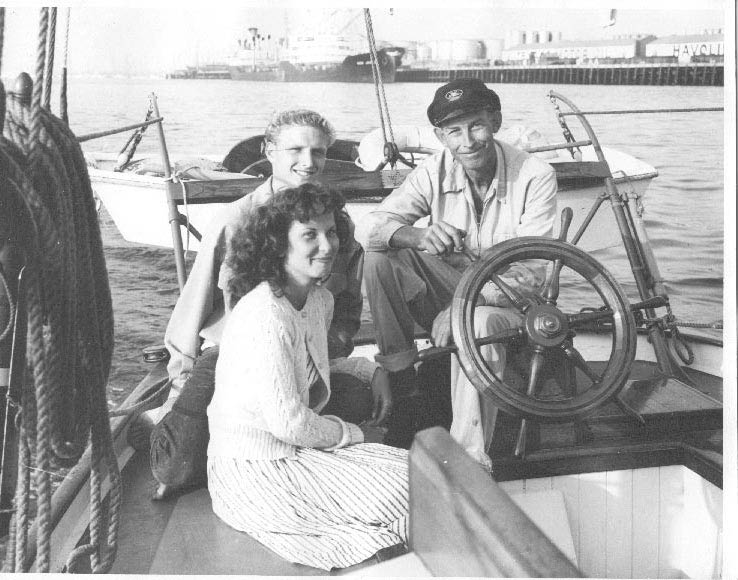
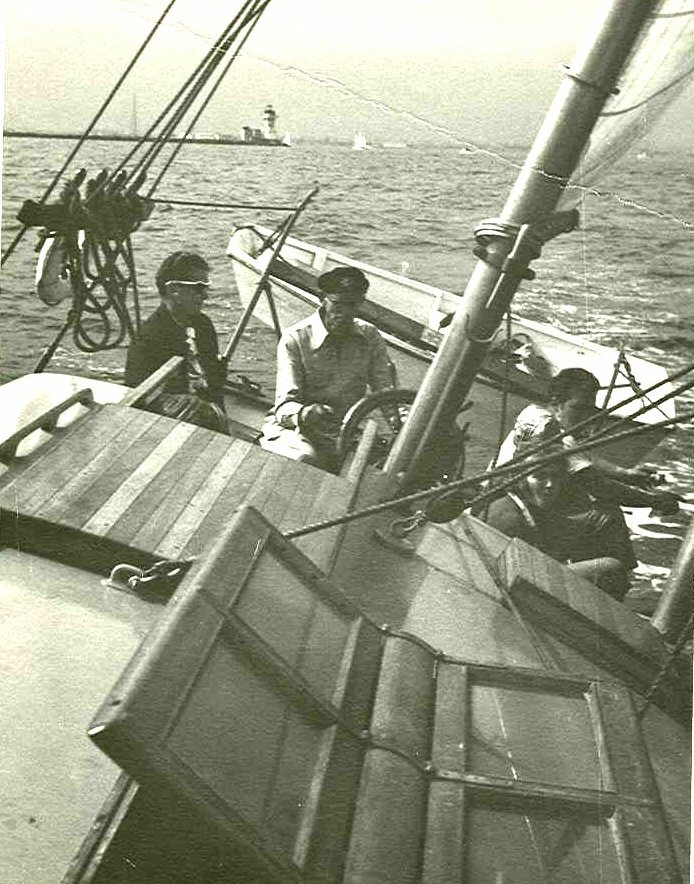
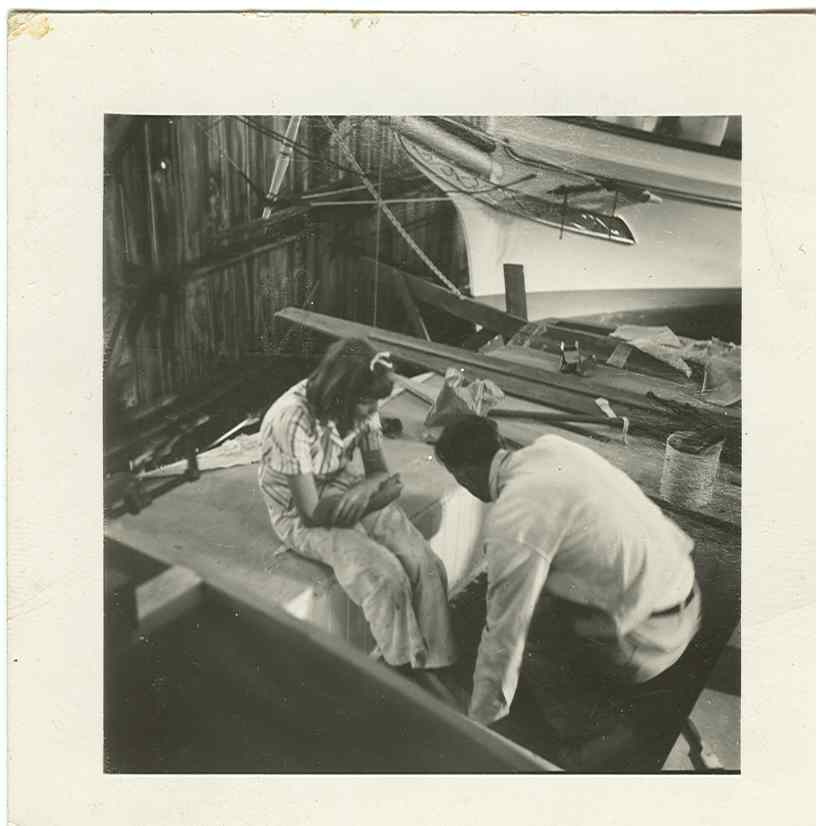
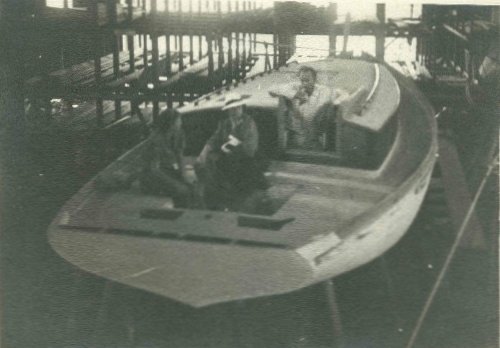
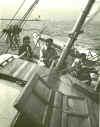
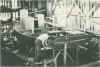
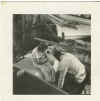
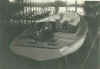
The photos initially shown below are heavily
weighted with "Leeway" photos, taken both while under
construction at WILBO and on sea trials. We hope to add more photos as
time goes by.
For the written part of the history of WILBO, I'm
initially borrowing text from our Hugh Angelman
biographical sketch page. Information will be added as it is received,
or gleaned from other sources.
 |
Dave Lee
(right), Dave Jr., and wife, Eleanor, abt. 1950 |
 |
 |
 |
 |
 |
 |
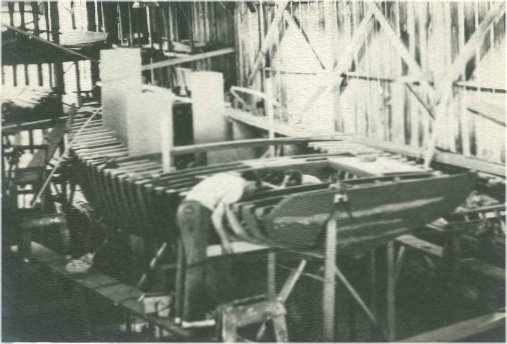
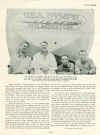
Leeway
under construction. Sea Queen can be seen in the center photo.
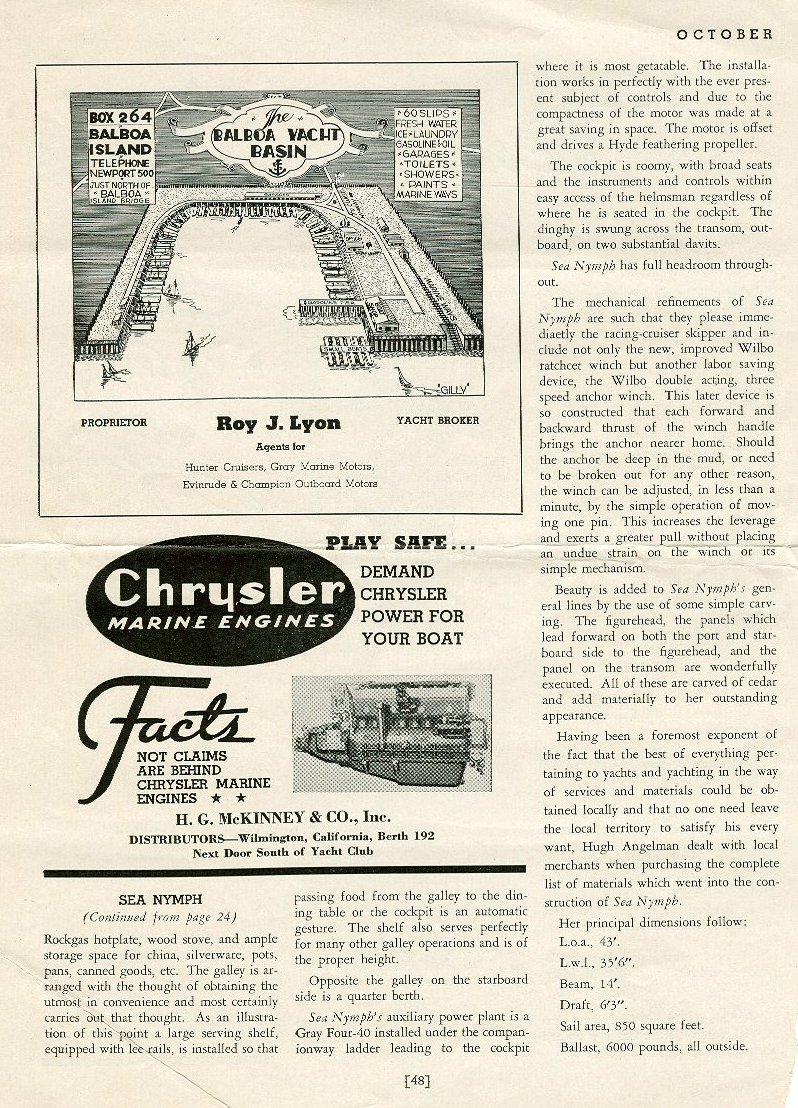
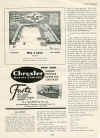
At left, 2 page article about Sea Nymph from Oct. 1938 SEA
magazine |
| Above
photographs and article from Dave Lee, Jr.'s collection – compliments of William
Heritage and Dave Lee, Jr. |
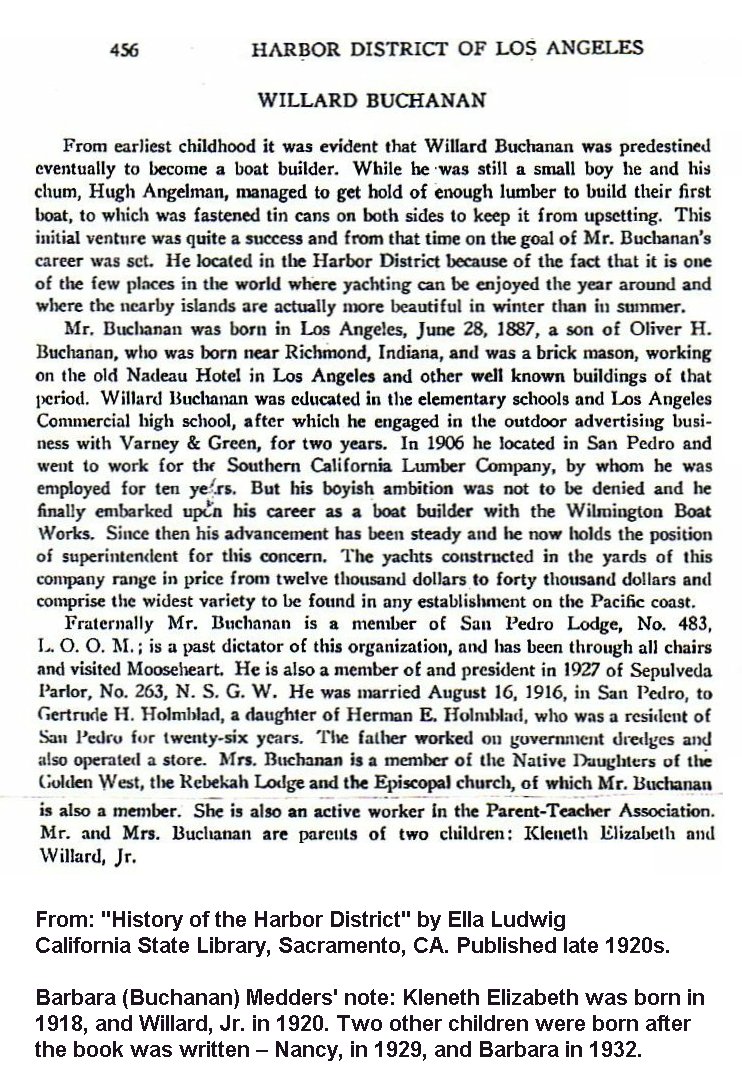
In September of 2008, Barbara Medders, daughter of Willard Buchanan
and sent the following
images. It was with Willard that Hugh Angelman built his first boat, and
Mr. Buchanan spend many years with Angelman at Wilmington Boat Works.
Of her father, Barbara wrote, "He was very
proud of the Sea Witch and also his part in building the Bounty. (See Bounty below.) The article about him was written in the 1920's. I'm sure there is an article about Hugh
Angelman in the same collection.
"My father and I used to sail off of Portuguese Bend when
Angelman lived there. Angelman liked to watch us from his living room with binoculars. Mae
Angelman sailed with us many times too."
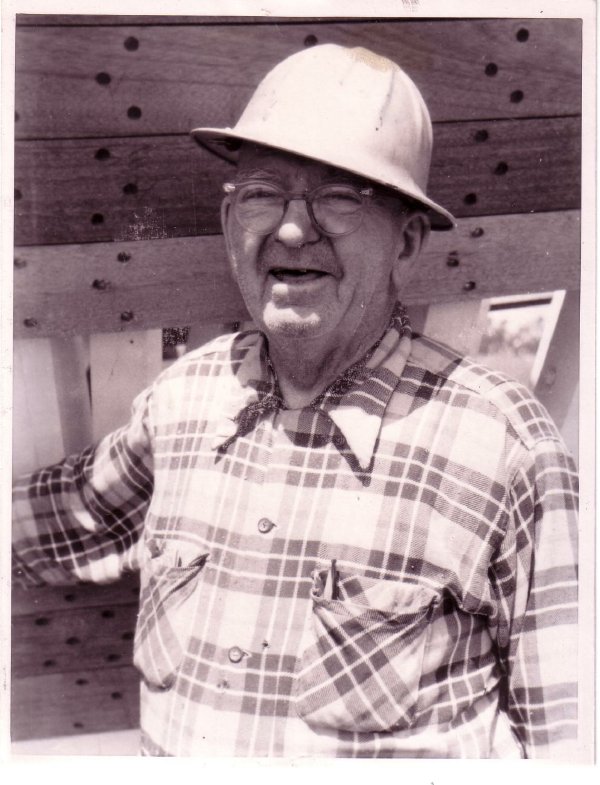
|
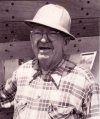
Willard
Buchanan
|
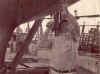
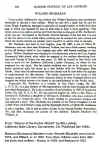
Willard was
Hugh Angelman's original boat building partner and long
time WILBO hand.
|
|
|
Above
photographs and article from History of the Harbor District
(Los Angeles) – compliments of Barbara Medders, Willard
Buchanan's daughter. |
OUTLINE OF WILBO HISTORY
In 1919, Hugh and a
friend, Willard Buchanan, teamed up and built a boat on the Los Angeles
waterfront. This successful project attracted the attention of a wealthy
man named Tom Smith. Tom liked what he saw well enough to advance them
the money to build a boat for him. Not only did Hugh and Willard build
the boat in a surprisingly short time, they built two of them! Smith
took one, the "Little Warrior," and the other, "Deep
Water" became the Angelman family boat.
Smith was so impressed with Hugh and Willard's
accomplishment that he provided them with the financial backing to
launch Wilmington Boat Works in 1920. And thus began the career that
would produce an impressive array of some of the finest sail and power
boats ever built.
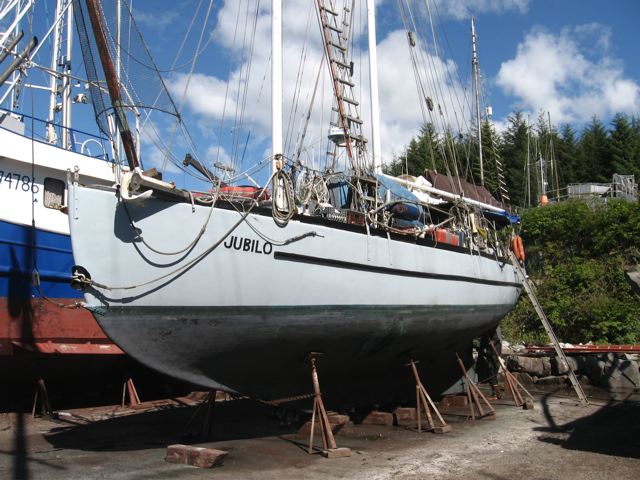
One of Mr. Angelman's earliest projects at
Wilmington was the 40 foot motorsailer, Jubilo, a schooner
designed by Charles D. Mower, and built in 1920. One of Jubilo's
earliest owners was James T. Dickson, a member of the Catalina Island Yacht Club,
who owned her during the 1920s and 30s. He sailed her in the TransPac
and other races during that period.
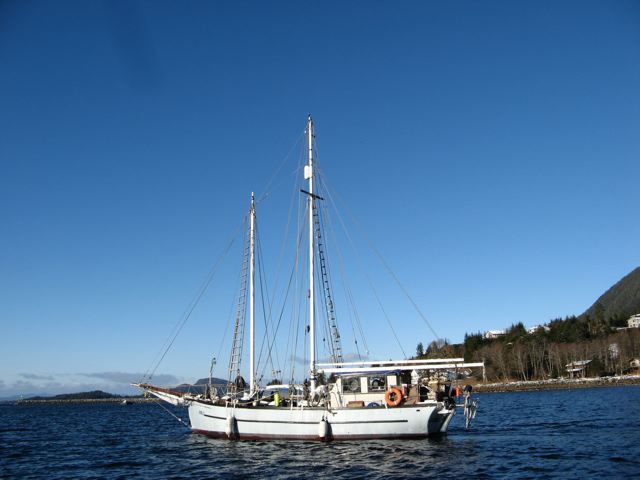
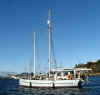
The Jubilo is still in service today, and
she's obviously looking
very well for her almost 90 years afloat. She's home to her present
owner at Sitka, Alaska. This is a great attestation
of the quality and enduring nature of the boats produced at "Wilbo,"
as the yard became
informally known.
 |
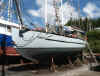 |
| Recent
photos of Jubilo, contributed by Richard Bjorum, who is doing
research on Jubilo. Anybody with information, or older photos,
may contact him at: rbjorum@frontiernet.net |
By 1922, Wilbo had been successful enough to requiring more room,
and it moved to its final location on the Wilmington waterfront East
Basin. Under Smith's direction, Angelman and his crew built two houses
on the property, one for Smith, and one for Hugh and his family.
While Hugh was becoming a master boat builder, he
developed his natural boat designing talents – and though he built an
array of boats designed by other famous designers of the day, some of his own
designs became famous in their own right. Over the years, the list of
Angelman designs grew to an impressive length, of both power and sail
vessels of all types and sizes.
Angelman designed and built a yard office in the form
of a sailing ship's great cabin, and this unique "office,"
which had a fully outfitted galley, became a waterfront institution in
itself. Friday evening gatherings at the Wilbo office – for business,
camaraderie, and a good meal – became a tradition. Tom Smith himself
served as chef, and the "ship room" hosted an array of guests
that included the worthy yachting and boat yard fraternity, along with
occasional Hollywood celebrities.
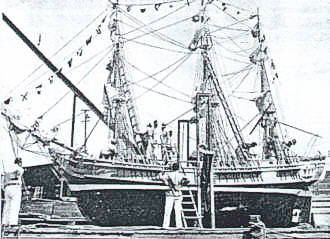
The Hollywood connection contributed to Wilbo
landing the job of building the 36 foot replica of the HMS Bounty, for
the 1935 movie, Mutiny on the Bounty, staring Charles Laughton
and Clark Gable.
The Wilbo crew worked feverishly around the
clock to complete the project in only three weeks, and were later
appalled to watch it wrecked and burned to the waterline in the movie. Full sized
ships were used in most of the movie, and the Wilbo model was considered
expendable (see: http://www.winthrop.dk/bounty).
Hollywood celebrities became some of
Wilbo's most notable customers, and Spencer Tracy, Dick Powell, John
Wayne, Ernest K. Gann were among the movie luminaries to have boats
built by Hugh at Wilbo.
Hugh Angelman's reputation and professional
success, of course, owed a lot to his business partners, several design
assistants, and skilled and dedicated workers. He was skilled at
choosing the right people for the job, and many unsung helping hands
quietly contributed to both the success of the yard and the Angelman
phenomena.
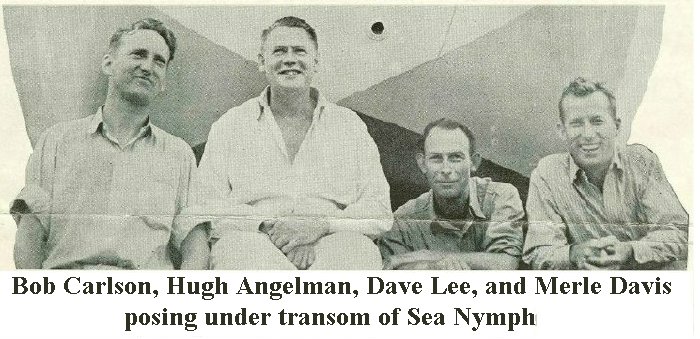
Among them were Willard
Buchanan, Vic Ward, Nick Potter, Harry and Bob Carlson, Dave Lee, Merle
Davis, and Charles Davies – designers, loftsmen, patternmakers, and
shipwrights – to name only the most prominent. Perhaps the most
recognized of all (at least to Sea Witch devotees), was Angelman's protégé, and most prominent long-time
design partner, Charles Davies.
Others played a role, learned, and moved on.
The noted yacht designer, Alvin
(Al) Mason, with more than 160 designs
to his credit during his 60 year career worked at Wilbo. Among his
earliest designs was the famous schooner, "California" which
he designed while at Wilbo. Though the "California" was not
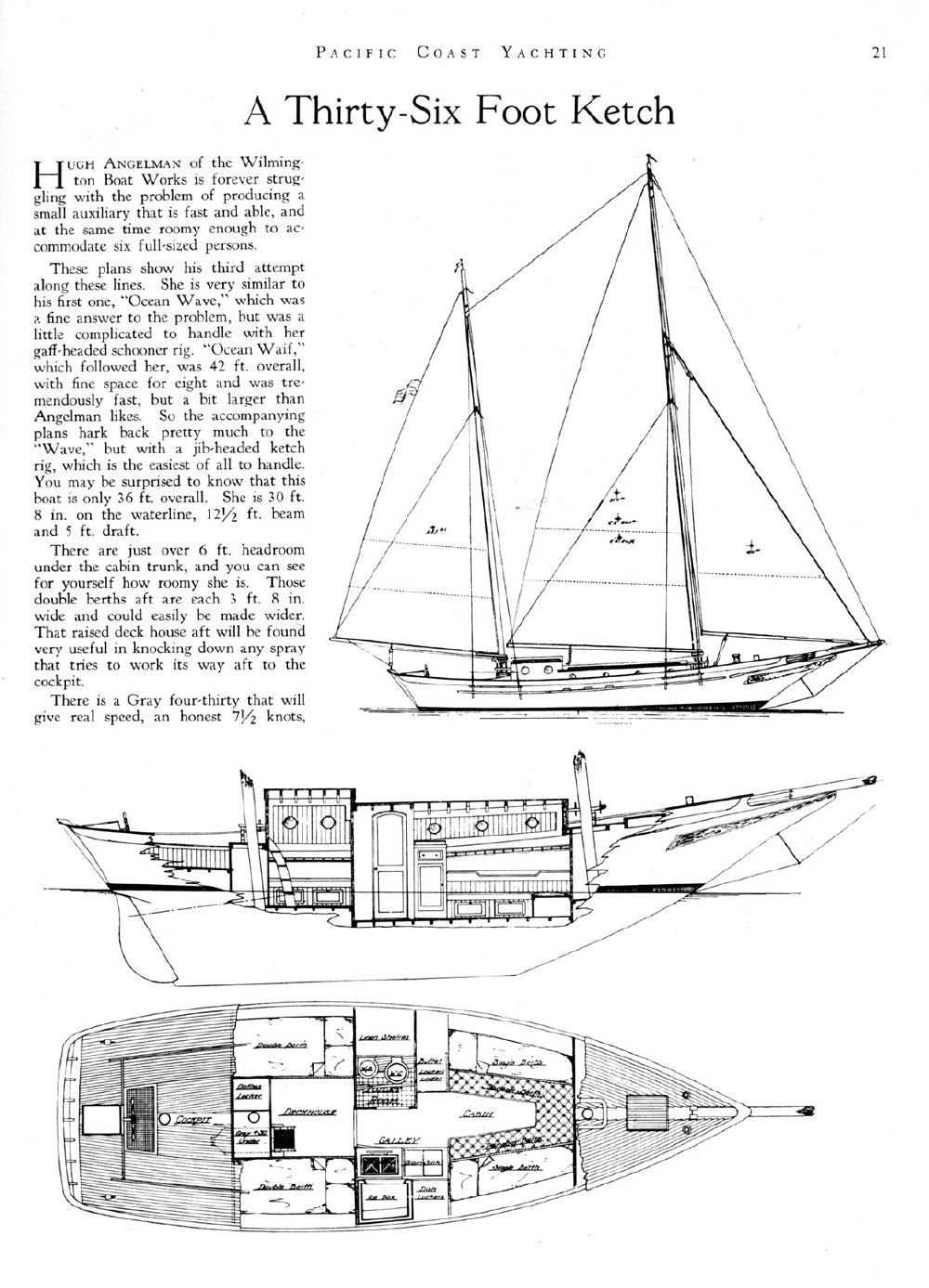
built by Wilbo, Mason designed some of Hugh's boats, including a
36 foot ketch, designed in 1929, which might be considered one of the
stepping stones toward Angelman's ideal in a small cruising boat. It
was very similar to Sea Witch in basic dimensions, had a clipper bow,
and raked masts.
We heard from Al Mason's daughter, Anita, in
October of 2008. Excerpts from her emails make for an interesting and
informative addition to this history:
...In
1928 when my father was 16-years-old, Angelman hired Al for the summer
as a shop helper and draftsman. A number of the publication reviews of
Wilbo boats were drawn by my father.
After
my father graduated from high school in 1929, Angelman hired my father
full-time to work at Wilbo. He worked there for less than a year but
was responsible for about half a dozen designs during this period. He
was also loaned out to Nick Potter and Ed Schock as a draftsman.
While at Wilbo my father was hired by Lambrie
& Mabry but lost the job three weeks later because he didn't know
how to design in steel. Mabry had attended Webb Institute in New York
and told my father about the school and their program.
My father returned to Salinas to bone up for
Webb's entrance exam and was accepted as a member of the 1932 Class.
After Webb my father went to work for John Alden, then Sparkman &
Stephens, Phil Rhodes...
By the
way, one of Wilbo's ships' carpenters was a man named Captain John
Polkinghorne. He asked my father to design a 63-foot schooner for him
when my father was 16-years-old. Several years later Polkinghorne built
the boat and named her "California."
I have a letter from another of Wilbo's shop
workers asking my father to design some small boats for the yard
workers to build for themselves. That was the genius for a series of
"how-to-build" designs published in a West Coast boating magazine.
Back in the day, any reject lumber from a yard
build was free to the workers to take home to use to build their own
boats. The particular worker who wrote to my father had stockpiled
enough lumber for a small boat but needed a basic design for a small
boat
...
I've been organizing material on my father's early life, and realized the attached design
(see graphic link below) is related to your boat. This was the third design my
father... created for Wilmington Boat Works and was drawn in 1929. I have the original drawings in my files.
This design, which I call "Wilbo 36" is the
approximate length and beam of your "Sea Witch" but has a very
different raked bow and the accommodations are arranged quite
differently. I haven't a clue if any boats were built from this design
but I thought you might be interested in adding it to your collection.
I just checked my files and there is no lines
plan for this design, however, there is another very similar design
labeled as a "40-ft. Auxiliary Ketch" which does include lines. I
haven't had this design scanned yet but it appears to look very much
like your "Sea Witch." This design, also drawn by Al Mason, dates from
1929.
While stating on the drawings that they were
designed by Wilmington Boat Works, Inc., my father signed the design as
well. The fact that my father has the original linen & ink drawings
indicate it was his personal design.
My father had the habit of keeping all
original linens of designs he created and blueprints of all other
designs he had a hand in creating, such as Alden, S&S, and Rhodes
designs.
I have a suspicion your "Sea Witch" was based
on a very early Al Mason design. My father was only 17-18 years old
when he created the 40-ft. design..
Sincerely,
Anita C. Mason
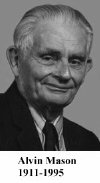 |
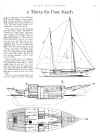
Al Mason
36' "Angelman"
|
|
Contributed by
Anita C. Mason |
Though a success from the beginning, Wilbo
experienced its share of business ups and downs during its long history.
It prospered, fell on hard times, and prospered again, producing fine
sail and power yachts of every step of the way. Lacking orders, there
was usually at least one boat being built on speculation to provide work
for the men. They never failed to sell, and sometimes got the yard out
of a financial bind.
During Prohibition, fast motorboats were in
demand. Law enforcement required fast boats to overtake the bootleggers,
and the bootleggers needed fast boats to outrun the revenuers. And Wilbo
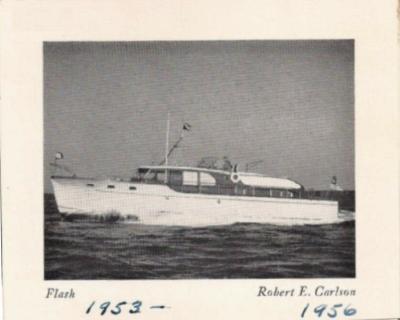
was pleased to satisfy the demands of both markets. The photo below
shows one of the types that the bootleggers might have favored. This is
the "Flash" owned by Bob Carlson from 1953 to 1956.
 |
|
From Bob
Carlson's Scrapbook. Contributed by Robin (Carlson) Miles |
In 1937 Hugh designed what many consider the
crown jewel of his career – the 35 foot, gaff rigged auxiliary ketch,
Sea Witch. He designed and built it for himself with an eye toward
safety, comfort, and the romantic tradition of the great clipper era –
undoubtedly naming it for the famous China tea clipper of that
name. She was completed in 1939, but it caught the eye of an eager buyer
and Hugh let the Sea Witch slip from his grasp.
Realizing his loss, Hugh built another exactly
like it – the Sea Rover – which was completed in 1941, just before
the Navy came knocking at the beginning of World War II. The Sea Rover
remained the Angelman's personal boat for over two decades, until Hugh was forced
by old age to retire from active boating.
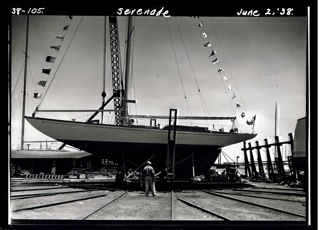 |
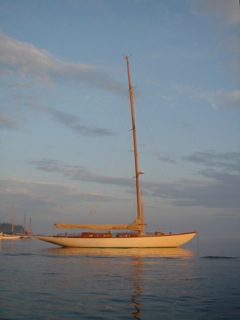 | In May of 2011, Glenn
Kim, owner of Serenade, sent us these photos of his boat. Serenade is a
61' sloop built at Wilbo in 1938 to a design by N. Potter for Jascha
Heifetz.
Left: Serenade ready for launch, June 2, 1938.
Right: Right: Undated, "Summer evening in Maine."
Glenn tells us of two other Wilbos of similar size and design – "Chubasco (located in Newport Beach) and Santana
(located in San Fran). These were among the largest sailing yachts
built at Wilbo pre-war and the fact that are still with us today is but
another testimony to the both the stewardship of owners as well as the
soundness/quality of Wilbo built vessels. |
During the Second World War, Wilbo was
requisitioned by the Navy Department for the duration, a circumstance
that Hugh hardly relished. Hugh helped design, and the yard built a
variety of FT
boats, minesweepers, and sub chasers throughout the war years.
Among Wilbo's Navy builds were a 96 foot Harbor Tug,
an 85 foot rescue boat, eight 136 ton sub chasers, and eight 780 ton
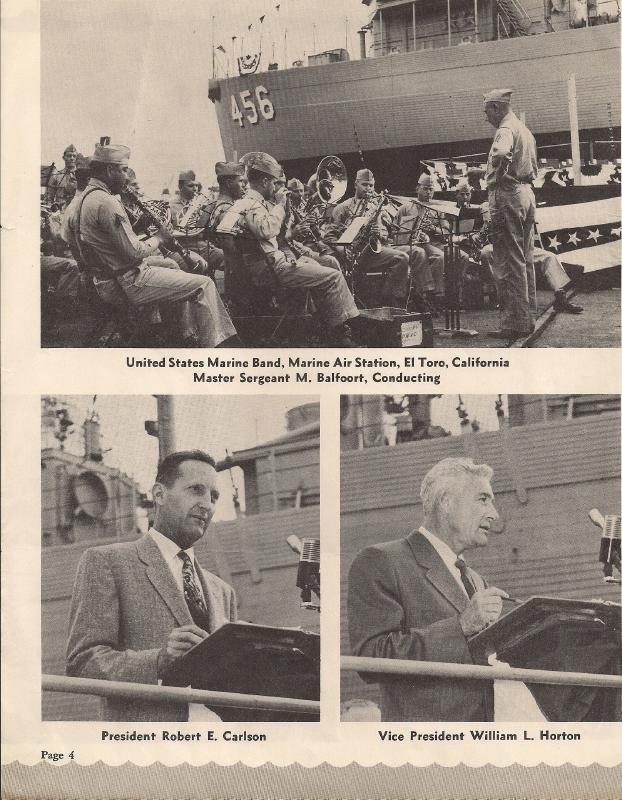
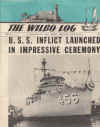
minesweepers, including the USS Inflict (MSO 456) shown below. (See:
http://shipbuildinghistory.com/history/shipyards/5small/inactive/wilmington.htm).
We heard from Robin
Carlson Miles, daughter of Robert E. (Bob) and "Bobbie"
Carlson, in May of 2009. Robin remembers Wilbo fondly, having spent a
good deal of time with her father there when she was a young girl. She
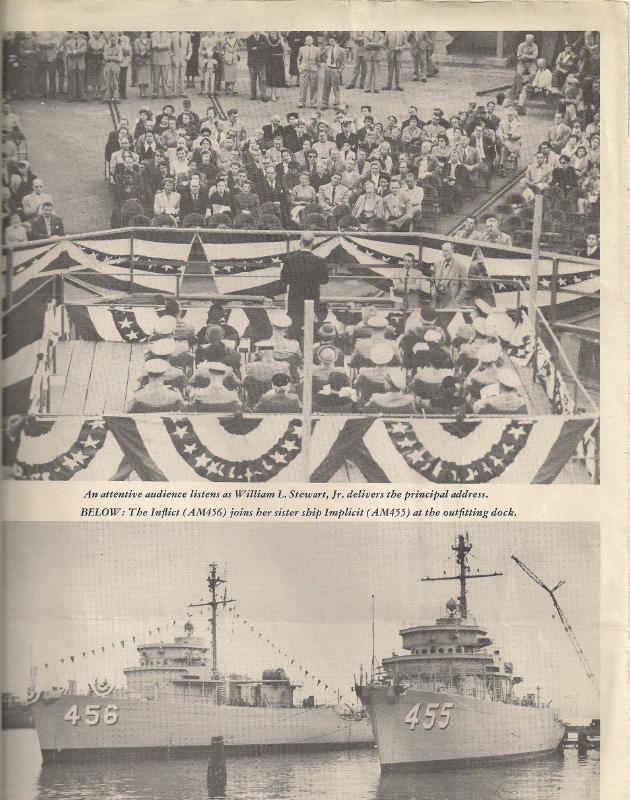
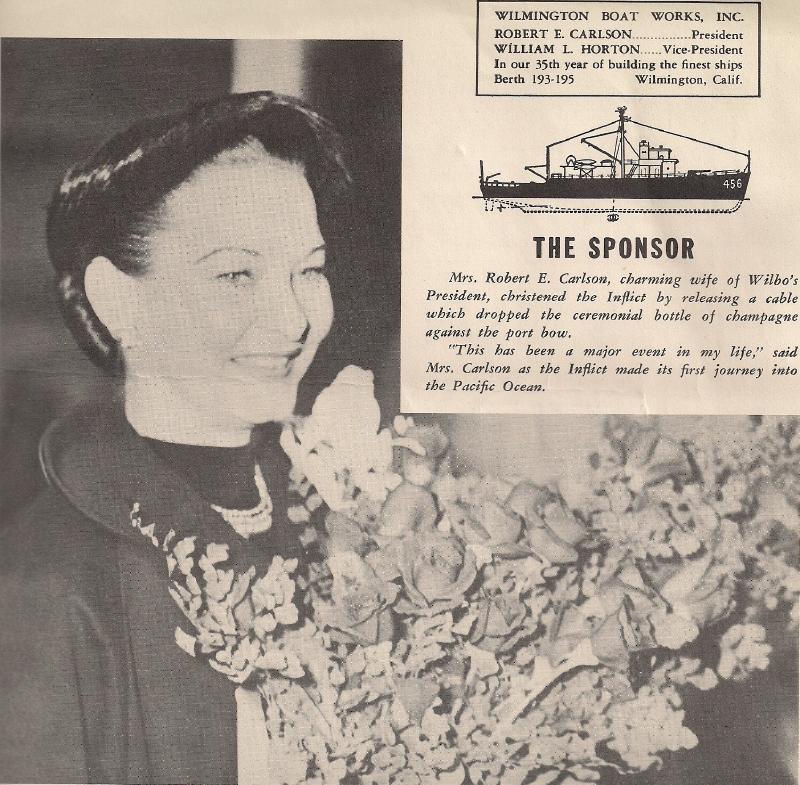
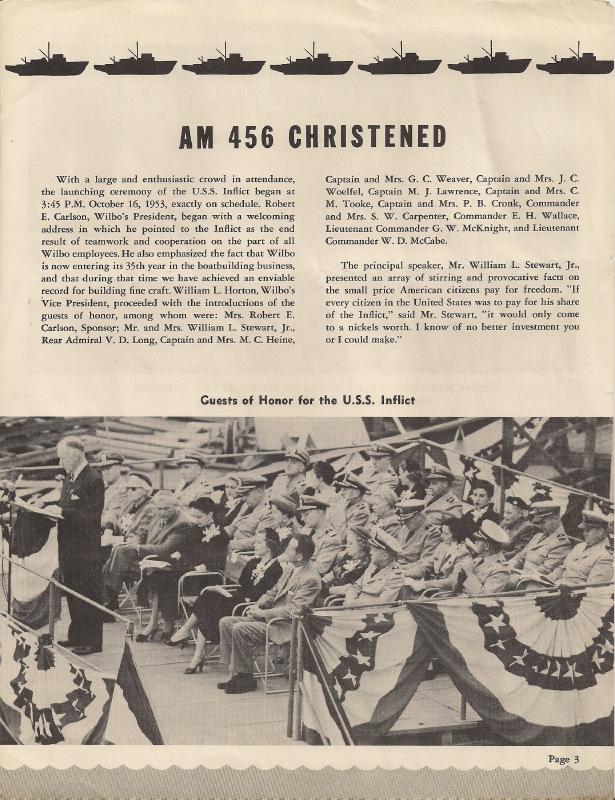
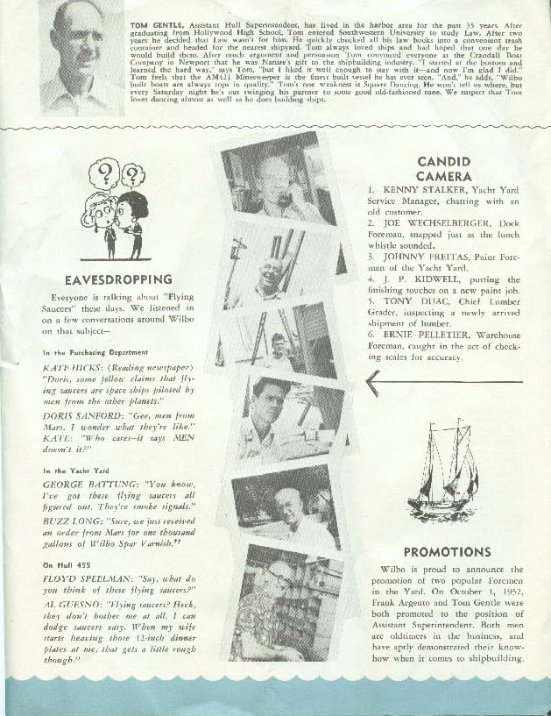
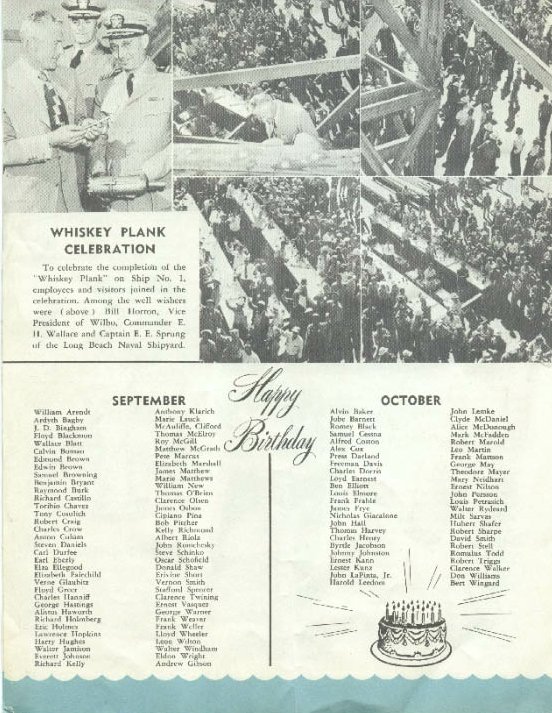
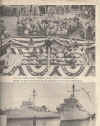
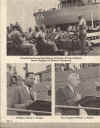
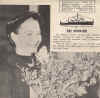
has contributed some photos and a copy of the Wilbo newsletter which
covered the christening of the USS Inflict, at which ceremony her
mother acted as sponsor.
Finding this web page, she says, brought back
many memories to her, and she also had a great surprise – learning,
for the first time, that her father had been married to Mae Angelman
prior to marrying her mother. Below are some of Robin's comments.
|
WILBO REMEMBERED
By Robin (Carlson) Miles
As
I am alone, my fondest memories were with my “Pop” at the yard. That
seems to be what I have thinking about most lately. Those times at
Wilbo were the happiest in my life. I still have photos of me as a
young child playing at the boatworks as I loved it – both at Wilbo and
also at Lido Shipyard.
I don’t remember a room specifically
called the 'ship room,' but my favorite place as a child was the
general supply room with all the rope, varnish, etc. I was always a
hardware store girl.
Unfortunately, as my parents were divorced at
the time of my dad’s death, my stepmother took almost all of the
photos, and, with the exception of the USS Inflict ceremony,
most of my remaining photos were of Lido Shipyard in Newport Beach.
But those
are my happiest memories of all, down at the yard. I
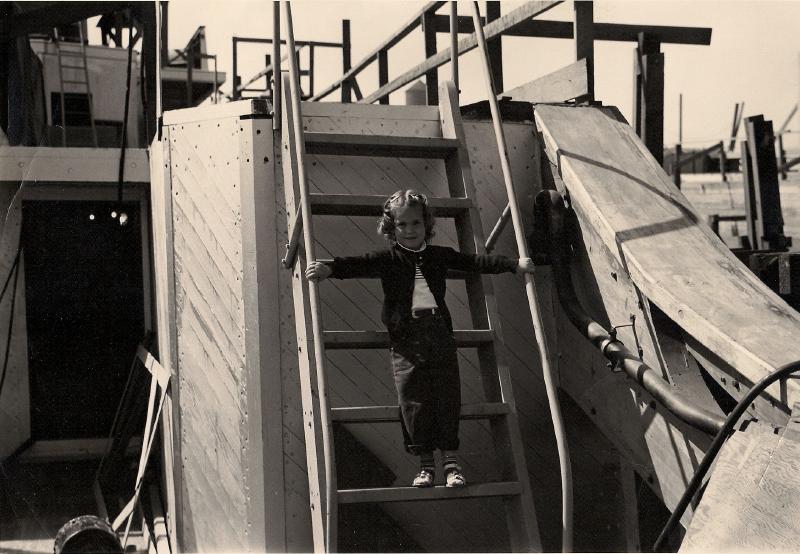
was a tomboy much to my mother’s chagrin and ‘Pop’ took me to the yards from the time I was about 4.
While going thru the pics the other
day, I found a picture of me coming down from the upper deck of a big boat at about that
age.
When Pop raced the Transpacs my mother and I always flew to
Honolulu to meet him coming in. We stayed at the Royal Hawaiian
there where everyone knew us.
We met Johnny Weissmuller over there and he
taught me to surf. And then of course during the infamous Catalina
rendezvous we all met every 4th of July where Ward Bond taught me to
fish. I have pictures of him coming to wake me up in his dingy at 5
a.m. So I have a lot of fond memories but they extend mostly past Wilbo
and into Lido Shipyard. Just as many famous people who were so much fun
and such beautiful yachts.
I am looking to see if there are any Carlsons
remaining. I don’t remember any aunts or uncles, and as I didn’t
know pop was married before my mother, I have lots of questions.
I had no idea my dad was married to Mae Angelman before my mother,
and I'm wondering if there are any other Carlson family members
left. Right now I believe I am the only one, and at age 60 would like to know if I am not alone.
I would love to hear from anybody on
the subject of Wilbo and Lido shipyards, as well as anybody
who may know if I have any Carlson relatives left. Please email
me at: todayrim@charter.net
Photos
Contributed by Robin (Carlson) Miles |
|
|
 |
 |
 |
 |
 |
 |
 |
 |
|
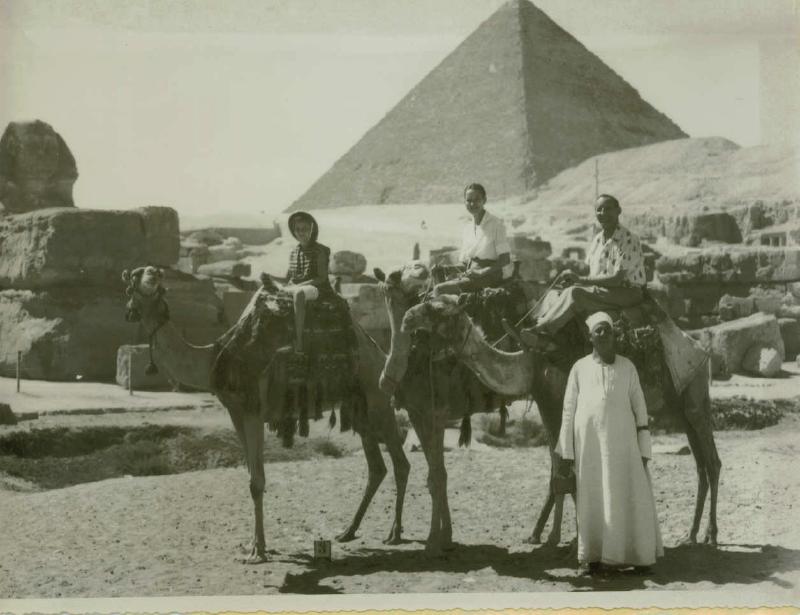
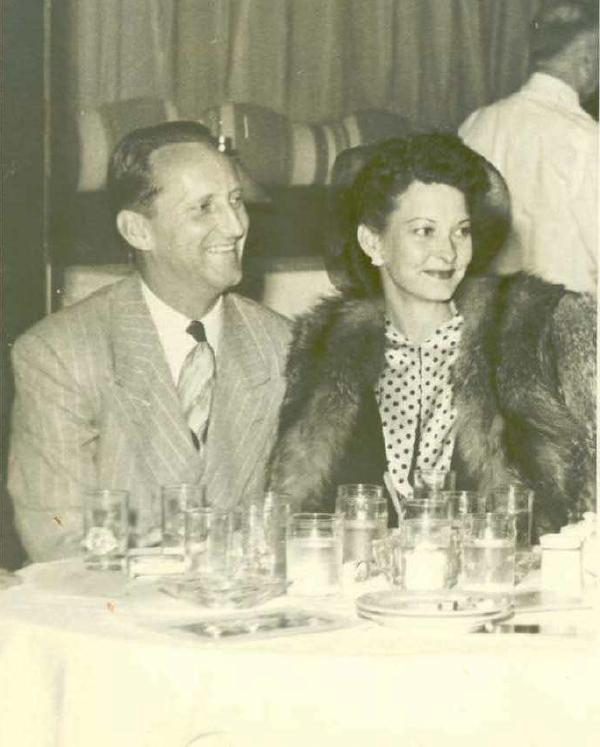
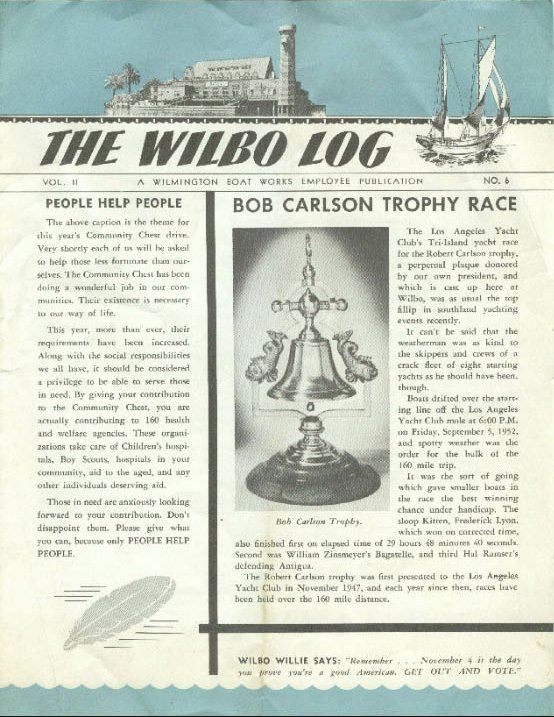
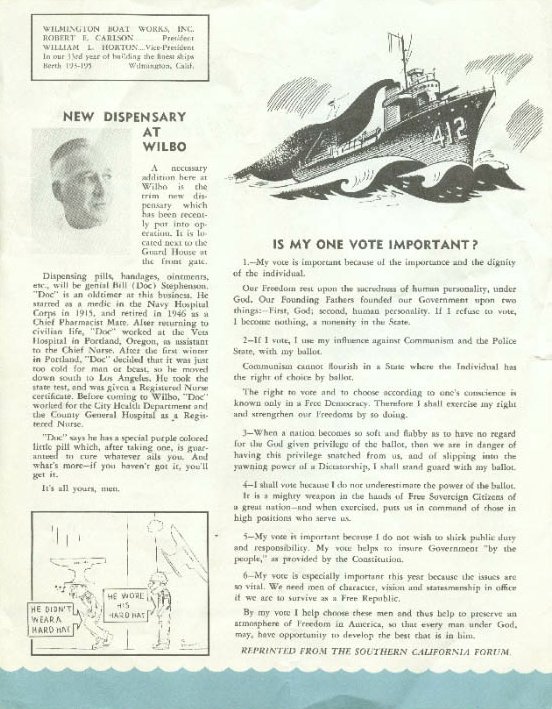
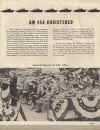
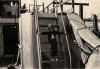
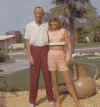
Top row and first two in second
row: The WILBO Log commemorating the October 16th,
1953, christening ceremony of the USS Inflict. Middle
right: A young Robin Carlson on a large wooden vessel at WILBO.
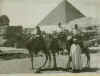
Bottom
row: Bobbie, Bob and Robin at the pyramids. "Pop" was on a teak buying
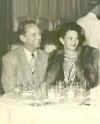
trip so we went around the world. This was 1959. Middle: Bob and Robbie
Carlson. Right: Bob and daughter Robin outside Bob's last home in Costa
Mesa, shortly before he died at age 60 in 1965. |
Hugh had gained the reputation of being one of
the finest designers and builders of the times, and in spite of his
dislike for Navy work (or perhaps, because of it), he was "chosen
by his fellow West Coast shipbuilders as their arbitration
representative to the United States Government."
Though he was
quite willing to do his patriotic duty, being under the managerial
control of naval brass and government bureaucrats seems to have entailed
more headaches and frustrations than rewards. At one point he sent a
letter to a friend expressing some of his frustrations. A single
paragraph just about sums it up:
We are building
the ship with a deck load of Gold Braid, a bottom planked with
creditors and a cargo of confusion. However, we walk the quarterdeck
with a determined stride and steer a straight course, although the
compass goes around with the sun. It seems a long and devious route
must be sailed before we fetch up in Catalina Harbor, so we are
carrying on.
Untiringly yours,
Hugh
The Mudflat Philosopher
In 1945 Hugh turned management of Wilmington Boat Works over to his
former son-in-law Bob Carlson (who had married, and later divorced, his
daughter Mae). Though divorced from Mae, Hugh continued to look upon Bob
as a son. At about the same time he sold his interest in the business to
William L. Horton, and finally retired from active boat building, though
he remained closely associated with the yard, more or less in the
capacity of a consultant. He often visited Wilbo to inspect the progress
of Angelman designs the yard continued to build.
Wilmington Boat Works was a full service yard,
complete with it's own casting foundry and machine shops. It built just
about everything that went into its boats except the engine. It had
become a big incorporated business during Hugh Angelman's tenure prior
to World War Two, and it became even larger during the war years. It's
Navy contracts continued after the war and it remained a large presence
on the waterfront under Bob Carlson, with a full scale corporate
organization, including a dispensary, and it's one corporate
publication, the "Wilbo Log" (A few pages from Volume II,
Issue No. 6 shown below. Click thumbs for larger view.)
Readers who have something to contribute to this page, please feel
free to send photos or additional information to: webmaster@heritech.com.
Source and Contributor References
"The Grand Old Man of Pacific Yachting, the Enduring West Coast
Legacy of Hugh Angelman" by Robby Coleman with Thomas G. Skahill,
and "Pure Sea Witch" by Robby Coleman – WoodenBoat,
No. 147, Mar/Apr 1999
The "Residential History of Portuguese Bend, Rancho Palos Verdes,
Los Angeles," by Connie Luffkin. (http://www.geocities.com/pbchost/History/history.htm)
A short biographical sketch posted on the Naples (Florida) Sailing
& Yacht Club website: http://ouryachtclub.memfirstweb.net/Club/Scripts/Home/home.asp
"History of the Harbor District" (Los Angeles), by Ella
Ludwig. Page 456, "Willard Buchanan," was contributed by
Barbara (Buchanan) Medders.
Photo credits: Dave Lee, Jr., William Heritage. "Wilbo
Log" images provided by Dave Lee, Jr., and the photos of Willard
Buchanan were contributed by Barbara (Buchanan) Medders.
Photograph of Willard Buchanan, and article from History of the Harbor District
(Los Angeles), were contributed by Barbara Medders, Mr. Buchanan's daughter.
Photograph of Al Mason and image of the "Wilbo 36
Ketch," along with information on Mr. Mason's association with
Wilbo, were contributed by Al's daughter, Anita C. Mason. See: http://www.a-mason-na.com/ Photos
of Jubilo contributed by Richard Bjorum, rbjorum@frontiernet.net. Photo
of USS Inflict: http://www.historycentral.com/NAVY/Inflict/Index.html Photo
of "Flash" and text
and photos of "Wilbo Remembered" contributed by Robin
(Carlson) Miles. Photos of "Serenade" contributed by present owner, Glenn Kim.
|